Impact of Workplace Wellness Programs in Modern Business Organizations

The modern workplace is constantly evolving, and employers are increasingly looking for ways to improve the health and wellbeing of their employees. Corporate wellness programs are one of the most popular strategies for achieving this goal. This essay will explore the impact of corporate wellness programs on employee engagement, productivity, and overall health. It will also discuss the challenges associated with implementing such programs in the workplace. By examining the evidence, this article will provide insight into how corporate wellness programs can be used to create a healthier and more productive work environment. Definition of Corporate Wellness Programs Corporate wellness programs are initiatives designed to promote healthy lifestyles among employees in the workplace. These programs typically include activities such as health assessments, nutrition education, physical activity classes, stress management workshops, and mental health support. The goal of corporate wellness programs is to create a healthier and more productive work environment Continue reading

Tips for Effective Employee Recognition and Reward Programs

Recognition is defined as a form of sincere praise or appreciation given to an individual by another and reward as the earned item of value presented to an individual for successful accomplishment of a particular service, task or mission. Recognition and reward programs has always been an effective strategy for retaining employees and it normally do not cost much and not very time-consuming. Informal recognition and reward program can recognize outstanding performance rather quickly while formal program develops the performance growth in a long term basis. Well planned recognition and reward programs builds comradeship within the team and makes employees feel valued and appreciated. Employees want to feel appreciated and seldom will they find compliments a surplus. Effective recognition and reward programs recognizes and appreciates the efforts of individuals while taking into account their individual needs, differences and personalities. As a leader, do not assume that the approach of one-size-fits-all Continue reading

The Role of Government in Environmental Protection

The final controlling authority in most of the issues related to environment is the government itself. For example, most of the thermal power plants are owned by the government and also only the government can build dams, roads, railways, etc. Industrial or any other related activity cannot start without the approval of the government. Therefore, the government has to apply various checks and controls so that the environment is managed properly. How can the government establish incentives that would lead industries to choose the efficient amount of pollution control in their own best interest, even if they do not face all the social costs of residual emissions? 1. Direct Regulation Direct regulation of polluting activity (i.e., setting a legal limit for pollution) frequently comes to mind. The government could, for example, simply limit the industry’s pollution to R units by decree. Direct regulation of this sort was popular in the Continue reading

Responsibilities of a Managerial Economist

Besides considering the opportunities that lie before a managerial economist it is necessary to take into account the services that are expected by the management. For this, it is necessary for a managerial economist to thoroughly recognize the responsibilities and obligations. A managerial economist can serve the management best by recognizing that the main objective of the business, is to make a profit on its invested capital. Academic training and the critical comments from people outside the business may lead a managerial economist to adopt an apologetic or defensive attitude towards profits. There should be a strong personal conviction on part of the managerial economist that profits are essential and it is necessary to help enhance the ability of the firm to make profits. Otherwise it is difficult to succeed in serving management. Most management decisions necessarily concern the future, which is rather uncertain. It is, therefore, absolutely essential that Continue reading

Strategic Leadership – What Does Strategic Leaders Do?

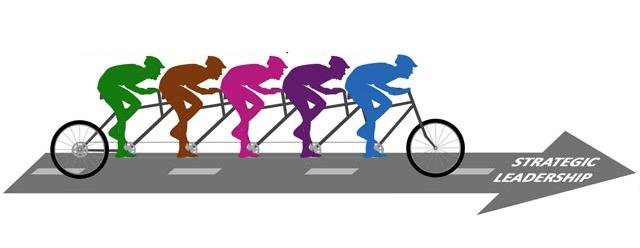
Concept of  Strategic Leadership Strategic Leadership provides the vision and direction for the growth and success of an organization. To successfully deal with change, all executives need the skills and tools for both strategy formulation and implementation. Managing change and ambiguity requires strategic leaders who not only provide a sense of direction, but who can also build ownership and alignment within their workgroups to implement change. Leaders face the continuing challenge of how they can meet the expectations of those who placed them there. Addressing these expectations usually takes the form of strategic decisions and actions. For a strategy to succeed, the leader must be able to adjust it, as conditions require. But leaders cannot learn enough, fast enough, and do enough on their own to effectively adapt the strategy and then define, shape and executive the organizational response. If leaders are to win they must reply on the prepared Continue reading

Utilization of Artificial Intelligence (AI) in the Banking

Artificial intelligence (AI) is rapidly transforming the banking industry. Banks are using AI to improve customer service, automate back-office processes, and enhance risk management. AI-powered chatbots and virtual assistants are helping banks provide 24/7 customer service, while AI-powered analytics are enabling banks to analyze vast amounts of data and make better decisions. In this article, we will explore the different ways in which AI is being used in banking and the benefits and challenges associated with its use. AI in Customer Service One of the most visible applications of AI in banking is in customer service. AI-powered chatbots and virtual assistants are becoming increasingly common in the industry. These chatbots and virtual assistants can respond to customer queries, offer personalized recommendations, and help customers with transactions such as account transfers and bill payments. AI-powered chatbots and virtual assistants can provide 24/7 customer service, which is particularly useful for customers who Continue reading