Founded in 1866 as a family business, Johnson & Johnson now has over 130,000 employees in 60 countries worldwide. What started off as a small, three-person business, the company has now expanded across the globe and was named a “2017 Fortune’s Most Admired Company”. One may wonder, how did brothers Robert, James, and Edward Johnson set the foundation for the next 130 years to come? This success can be attributed to Johnson & Johnson’s Strategic Framework, which is at the root of all decision-making. The company’s Strategic Framework is comprised of three main components: The Foundation, Strategic Principles, and Growth Drivers. All three sections of the Strategic Framework include insight into Johnson & Johnson’s Management Approach, which guides the company’s philosophy for continuous success. The Foundation includes the Credo, which establishes the values incorporated into the decision-making process. The Credo can be seen in every single office and corner of Continue reading
Company Analysis
SWOT Analysis of Red Bull GmbH
Red Bull has created a strong brand image, using colorful icon with two bulls in opposition and a memorable tag line; ‘Red Bull gives you wings’. Through creative marketing and sponsorship it has linked itself with extreme sports, innovative music and art, all aimed squarely at the youth market. Red Bull is a European success story. The product was launched in 1987 in Austria. It faced opposition from the Food and Drink Administration (FDA), who refused to clear it for distribution but despite this it became an underground success through clubbers and snowboarders. This anti-establishment stance found synergy with consumers, even after it was cleared for sale. It quickly spread into neighboring countries and into the US market. By 2004, it had gained 40% share of its market sector and 70% in Europe. However, the brand still faced problems; it was banned in Denmark and France following unsubstantiated rumors that Continue reading
Case Study: Restructuring Process of Volkswagen

As western automobile markets reached saturation, automobile giants like Chrysler and Volkswagen resorted to restructuring. Volkswagen had concentrated on its portfolio restructuring since early 90’s. Volkswagen acquired Skoda in 1991. Volkswagen helped Skoda to emerge out of bankruptcy and Skoda soon became “U.K.’s best loved car”. This in turn helped Volkswagen, whose profits were declining around the same time. It gained access to the little penetrated car market of Eastern Europe. In 2009, it acquired 49.9% stake in Porsche. During recession, Porsche plunged into debts. Volkswagen used this opportunity to gain from its rival, who had a respected brand name globally. Even though the car market has matured in western parts of the globe, Volkswagen has been using strategic acquisitions to grow further. The financial restructuring process of Volkswagen, called as ‘ForMotion’ is well-known. This restructuring process began in 2004. With the commencement of ‘ForMotion’, a number of workers lost Continue reading
Strategic Comparison Between Honda and Toyota
In the global automobile industry, the vehicle has become an important part of every economy in terms of increased demand. Two of the largest automobile manufacturers in the world are Toyota and Honda. The Honda Motor Company was the first Japanese automobile manufacturer which began with the construction of a motorized bicycle. Then, Honda started to develop and expand new lines of vehicle before it became successful in terms of the world market. Furthermore, it has been unceasing in its exploration of the idea of what role the motorcycle and automobile should play in society. Especially with management, the company realized the importance not only of the conventional approach of upgrading product performance, but also active efforts towards customer safety. Another successful Japanese automobile manufacturer is the Toyota Motor Corporation. The manufacturer of automobiles were sought conduce by prosperous society, operating its business with a focus on vehicle production and Continue reading
SWOT Analysis of Coca Cola
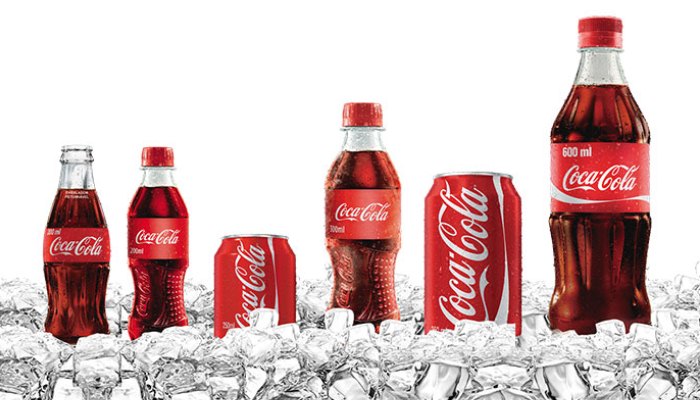
Coca Cola’s history can be traced back to a man called Asa Candler, who bought a specific formula from a pharmacist named John Stith Pemberton. Two years later, Asa founded his business and started production of soft drinks based on the formula he had bought. From then, the company grew to become the biggest producers of soft drinks with more than five hundred brands sold and consumed in more than two hundred nations worldwide. Although the company is said to be the biggest bottler of soft drinks, they do not bottle much. Instead, Coca Cola Company manufactures a syrup concentrate, which is bought by bottlers all over the world. This distribution system ensures the soft drink is bottled by these smaller firms according to the company’s standards and guidelines. Although this franchised method of distribution is the primary method of distribution, the mother company has a key bottler in America, Continue reading
SWOT Analysis of PayPal

PayPal is an e-commerce business that allows payments and money transfer to be made through the Internet. PayPal serves as an electronic alternative to traditional paper methods such as cheque and money orders. The service allows members to send money without sharing financial information, with the flexibility to pay using their account balances, bank accounts, credit cards or promotional financing. PayPal is an example of a payment intermediary service that facilitates worldwide e-commerce. PayPal is an eBay subsidiary company and is made up of three leading online payment services: the PayPal global payment service, the Payflow Gateway and Bill Me Later. The company’s open payment platform, PayPal X, that allows developers to build innovative payment applications on multiple platforms and devices. PayPal performs payment processing for online vendors, auction sites, and other commercial users, for which it charges a fee. It charges transaction fee for receiving money. The fees charged Continue reading