The American Marketing Association defines channel of distribution as “An organized network of agencies and institutions, which in combination, perform all the activities required to link producers with users to accomplish the marketing task.” Distribution is the physical flow of goods through channels; as suggested by the definition, channels are comprised of a coordinated group of individuals or firms that performs functions adding utility to a product or service. The major types of channel utility are: Place (the availability of a product or service in a location that is convenient to a potential customer); Time (the availability of a product or service when desired by a customer); Form (the product is processed, prepared and ready to use, and in proper condition); and Information (answers to questions and general communication about useful product features and benefits are available). Since these utilities can be a basic source of competitive advantage and product Continue reading
Marketing Strategies
Case Study of Kellog’s: Marketing Strategy for Latin America

In 1980, Peter A, Horekens, marketing director for Kellog company, was faced with the problem of developing a market for ready-to-eat cereals in the Latin American region. Although Kellog had no competition in the ready-to-eat cereal market in this region, they also had no market. Latin Americans did not eat breakfast as the Americans did. The problem was especially prominent in Brazil. To create a market and increase sales in this region, Horekens had to create a nutritious breakfast habit. Kellog Company, which headquartered in Battlecreek, Michigan, was founded in 1906 by W.K. Kellog. The company continued to operate successfully with sales in 1980 amounting to 2,150.9 million U.S. Dollars. The Kellog Company manufactured and marketed a wide variety of convenience foods with ready-to-eat cereals topping the list. The company’s products were manufactured in 18 countries and distributed in 130 countries. The ready-to-eat cereals sales made up the majority of Continue reading
Why Online Marketing is More Effective than Traditional Ways?
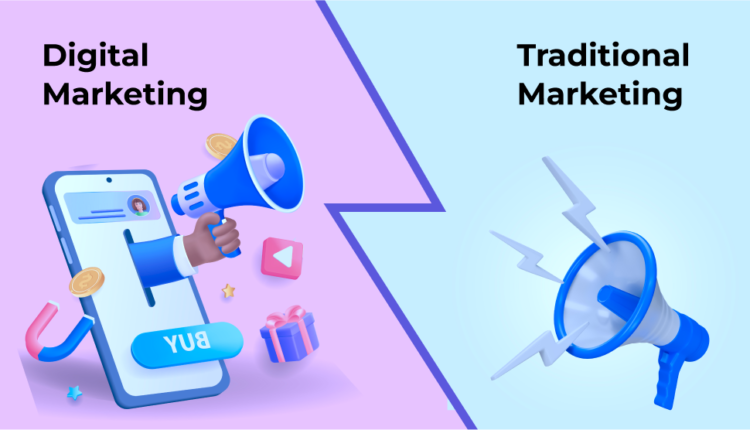
Marketing is the only way by which consumers are able to gather knowledge about a particular product. Marketing enables the company to build their brand awareness among the consumers. The buying habit of the consumers has changed a lot in the recent years and for that, the marketing process has also changed as per the requirement of the consumers. The two marketing process are ruling the world but to know which on is the better is debatable. The traditional marketing that is company advertising and the online marketing is the two marketing option in today’s world. Traditional marketing or the company advertisement is the old way of marketing the products and this method includes print media, broadcast media, direct mail, and telemarketing. Online or digital marketing is the new tradition in the field of marketing. This includes the social networking sites, video marketing, banner ads, websites, reviews of the products Continue reading
Case Study of Avon: From Direct Selling to Direct Marketing

For years, Avon lady was a fixture in American neighborhoods. Selling door-to-door built Avon into the world’s largest manufacturer of beauty products. Avon operates in 135 countries and besides the cosmetics it also sells jewelry, home furnishings, and babycare products. Avon pioneered the idea of hiring housewives for direct selling cosmetics in the neighbourhood. But in 1980s, as millions of women began to work outside the home, the cosmetics maker’s pool of customers and sales representatives dwindled, and its sales faltered. By 1985, its profits were half what they had been in 1979. Consumer research showed that many women thought Avon’s make-up was “stodgy,” its gifts products overpriced, and its jewelry old-fashioned. So the company created a more contemporary line of jewelry, lowered the prices of its giftware to offer more items under $15, and expanded its lipstick and nail polish colours. On the selling side, recruiting sales people had Continue reading
Ambush Marketing Strategies
What is Ambush Marketing? Ambush marketing occurred when a non-sponsor of an event attempted to pass itself off as an official sponsor. Ambush marketing is defined as the practice whereby another company, often a competitor, intrudes upon public attention surrounding the event, thereby deflecting attention toward themselves and away from the sponsors. In simple words, non-sponsors to gain benefits available only to official sponsors exploit ambush marketing. When a sponsor purchases a sponsorship program, he aims towards orchestrating public attention onto its company or brand. In a typical sponsorship arrangement the sponsor purchases the sponsorship property rights and uses support promotion to further draw public attention to its involvement. The practice whereby another company, often a competitor, intrudes upon public attention surrounding the event, thereby deflecting attention toward themselves and away from the sponsor, is now known as “ambush marketing.” The term ambush marketing was initially coined to describe the Continue reading
Case Study of McDonalds: Strategy Formulation in a Declining Business
McDonald’s Corporation or rather the CEO, Mr. Greenberg realized there was a major problem arising within their corporation when their earnings declined in the late 1990s till the early 2000s. Their net income not only shrunk to 17%, but also suffered from slow sales growth below the industry average during that period of time. Although their market share was well above their competitors such as Burger King and Wendy’s nevertheless there was a slow share growth. Therefore the question of what caused the Big Mac Attack is raised. It is observed that there was a growing trend of customers moving to non hamburger meals which is being offered by indirect competitors such as KFC, Subway (dominating the market with more than 13,200 US outlets) and Pizza Hut as an alternative choice. Sandwiches and a variety of microwaveable meals are being offered at supermarkets, convenience stores and even at petrol stations. Continue reading