
Concept and Definition of Entrepreneurship Entrepreneurship is an elusive concept. “Entrepreneurship is based on purposeful and systematic innovation. It included not only the independent businessman but also company directors and managers who actually carry out innovative functions.”-Schumpeter In the above definition, entrepreneurship refers to the functions performed by an entrepreneur in establishing an enterprise. Just as management is regarded as what managers do, entrepreneurship may be regarded as what entrepreneurs do. In other words, entrepreneurship is the act of being an entrepreneur. Entrepreneurship is a process involving various actions to be undertaken to establish an enterprise. It is thus, process of giving birth to a new enterprise. Entrepreneurship is composite skill, the resultant of a mix of many qualities and traits- these include tangible factors as imagination, readiness to take risks, ability to bring together and put to use other factors of production, capital, labor, land, as also tangible factors Continue reading
Modern Management Approaches
Relational Leadership Paradigm – Five Practices of Exemplary Leaders
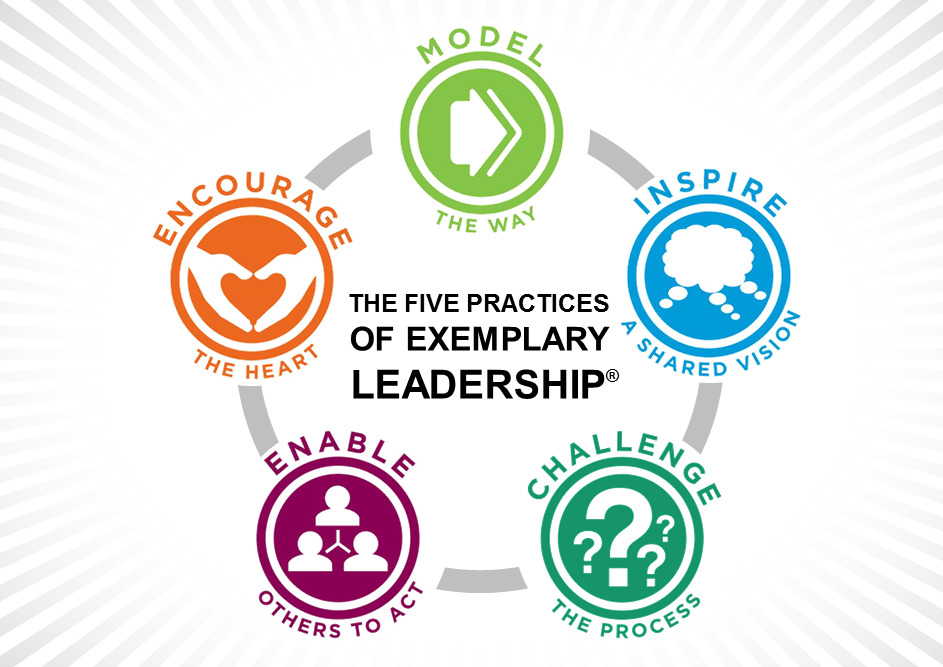
Effective leadership is about creating reciprocal relationships between the leader and followers, subordinates, or constituents that in turn creates the foundation for organizational and group success. The Kouzes and Posner’s Five Practices of Exemplary Leadership Model has been noted for its contributions to the Relational Leadership paradigm. Kouzes and Posner (1987) conducted research in the area of “personal best” leadership experiences. They developed a “Personal-Best Leadership Experience” questionnaire, asked thousands of managers to complete the questionnaire, and conducted many follow-up interviews to gather additional information. The personal-best questionnaire asked managers to pick a project, program, or event that they characterized as their “personal-best” leadership experience. After analyzing the data collected from questionnaires and interviews, Kouzes and Posner found that despite the variety in situations and types of leadership experiences, similar patterns were identified related to actions taken by the leaders during the experience. Through the analysis process they identified “Five Continue reading
Green Productivity for Sustainability

With the start of the new millennium, the world has seen rapid change and change in the approach of the manufacturing industry with regards to sustainable development. Formerly, lone voices were urging a concern for the environment with a thought for sustainable development while improving business performance are now coalescing into a “movement”- new thinking and new ways of approaching old problems have made it perfectly possible to address these issues together, most effective when planned as part of a total review of the life-cycle of products and their manufacturing and delivery processes- and this movement being called Green Productivity. The global economy is coming under growing pressure to pay for the restoration of damaged environments. But this economic engine is being asked to help solve other pressing problems at the same time. The challenge is to solve all of these problems in a sustainable manner, so as to generate Continue reading
The Emergence of Frugal Innovation
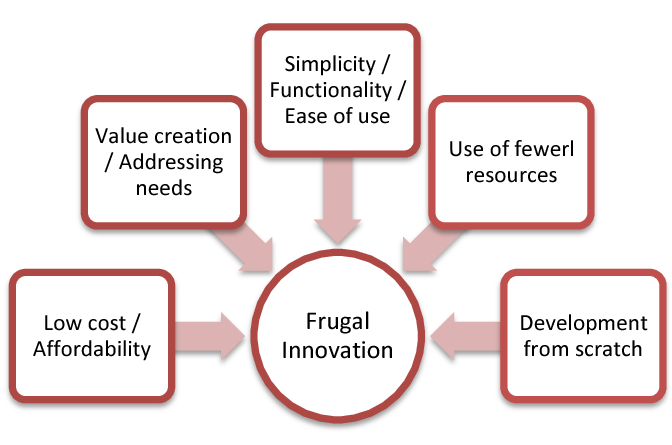
The old innovation paradigm was called closed innovation which was based on the strict control of successful innovation. Under this view, organizations generate their own ideas, develop them, finance them and support them on their own. In short, companies maintain complete control of all aspects of the innovation process and inventions are kept highly secretive. Traditionally many organizations followed this model and it worked well for most of the twentieth century. However, over the years a number of factors have led to the erosion of the closed innovation approach. First, due to an increase in the mobility and availability of highly educated people, large amounts of knowledge leave the research laboratories of many companies. Second, the availability of venture capital has increased significantly in the recent past making it possible for promising ideas and technologies to be further developed outside the organization. Third, other firms in the supply chain began Continue reading
Crowdsourcing – Definition, Applications, Advantages, and Disadvantages
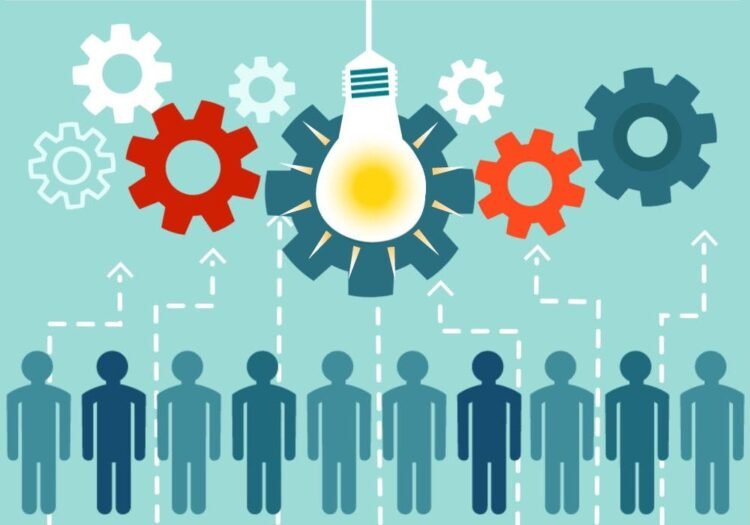
Since the advent of the internet and the emerging of user-generated media, for example, You Tube and Wikipedia, the process of sharing information has become an easy task, because of the great interaction tools that are provided by the internet. Currently, through the internet organizations and individuals can outsource most of their research work, market surveys, and even seek external assistance in solving critical organizational problems using processes such as crowdsourcing. Crowdsourcing was first used to determine the degree of influence of the collective mind on a single business. It is believed that crowdsourcing is the process of doing work by a variety of contractors without any contracts, in most cases, online. Unlike freelance, the use of human resources is suitable for solving more labor-intensive tasks that require a considerable number of performers and time. Thus, the most precise definition of crowdsourcing is information technology, which combines interested people and Continue reading
Importance of Stakeholder Engagement in Business
Stakeholders are all those people or businesses that are essential for a company, because they contribute to keep it afloat or in operation. They can be affected if their expectations or needs are not met. There are three interested parties: suppliers, customers and investors. Each of them is an indispensable part. Without its essential contribution, the business could not be sustained or built. Suppliers provide the input, customers are those who consume our products and refer us to new prospects and investors or owners, contribute their capital for the sustainable development of the business. Stakeholders can benefit or be harmed by any action or decision taken. That is why every business or company must identify them and know their needs and expectations to fulfill them. Since above all, they are the ones that contribute in a special way to our business. Stakeholders have increasingly become an essential component of business Continue reading