Kaizen – Understanding the Japanese Business Philosophy of Continuous Improvement
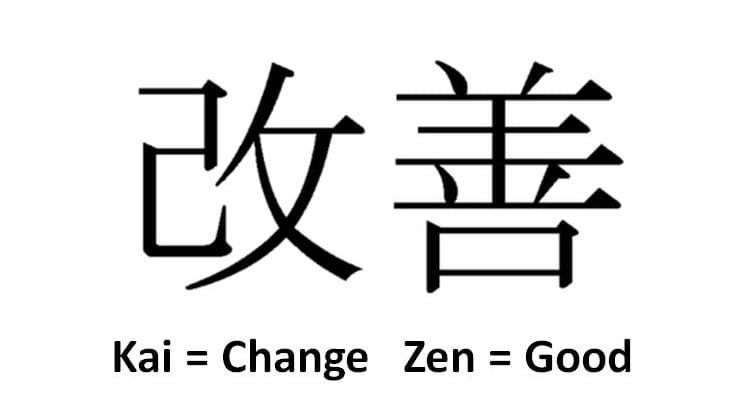
Kaizen is a Japanese term meaning “continuous improvement,” referring to an approach of constantly making small, incremental changes for the better. Originating in post-World War II Japan, Kaizen emerged as a key principle in the Toyota Production System and later gained global recognition as a foundation of lean manufacturing. The concept was introduced to the Western world by Masaaki Imai in his 1986 book Kaizen: The Key to Japan’s Competitive Success, which highlighted how a focus on ongoing improvement helped Japanese industries outperform their competitors. At its core, Kaizen is more than a one-time initiative – it is a philosophy and culture that engages all levels of an organisation in continually finding ways to improve processes, reduce waste, and increase quality. Indeed, Kaizen involves everyone from top management to frontline workers in the quest for better methods, embodying the idea that many small changes can yield substantial results over time. Over the decades, this approach Continue reading

Role of Leaders in Shaping Organizational Culture

An organizational culture entails the organization’s philosophy, expectations, experiences, and the values that guide member behavior and is expressed in member self-image, future expectations, interactions with the outside world, as well as inner workings. Culture is shared on written and unwritten rules that are not only developed over time but also considered valid, beliefs, customs, and attitudes. In an organization, culture also entails the organization’s language, habits, beliefs, symbols, vision, systems, norms, values, as well as assumptions. It basically means the manner in which things are done in an organization. The organization culture impacts the way in which people and groups interact, with clients, as well as with stakeholders and it further influences how much employees identify themselves with the organization. The foundation of organizational culture is the management but the culture can also be built by a leader. Culture is important in the success of the organization and thus Continue reading

Organizational Culture – Development and Importance

When coming into or starting an organization, many things need to be decided upon for that organization. The organization’s mission statement, its business plan, and its structure are a few of the many things that need to be decided for that organization. One element that is extremely important to establish within an organization is the organization’s culture. An organization’s culture is extremely significant within an organization, and an organization’s culture can be determined from a variety of different types of cultures. Organizational culture can also be called a corporate culture and is defined as the set of shared, taken-for-granted implicit assumptions that a group holds and that determines how it perceives, thinks about, and reacts to its various environments. Each and every organization has its own type of organizational culture that sets it apart from other organizations. One reason organizational culture is vital to an organization is because the type Continue reading

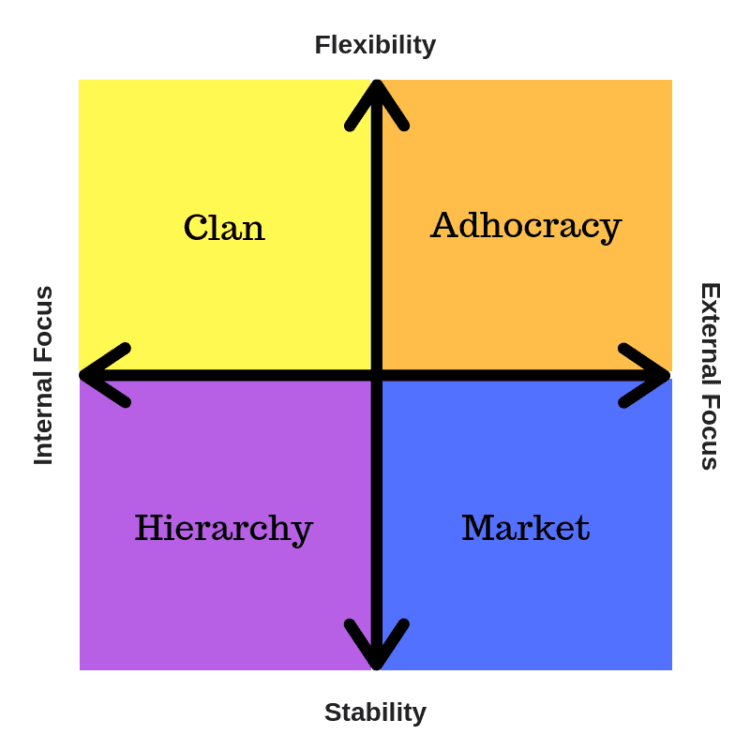
Five Important Organizational Cultural Models

Culture is often said “to eat strategy for breakfast” the implication that, regardless of how good a strategy is, unless specific initiatives are concentrated on changing people’s attitudes, behaviours and work practices, the strategy will fail. Understanding culture of an organisation can be quite the task especially in large companies with a number of employees and staff being very diverse culturally. With the help of Cultural Models, understanding the cultural situation becomes easier. Following are some of the existing Cultural Models. 1. Edgar Schein’s Model Edgar Schein’s model is one such which helps interpret what the cultural position is within the firm. To Schein, culture is dynamic and multi-faceted; it cannot be easily judged as good/bad, strong/weak, or effective/ineffective. Culture is contextual and lives within us as individuals as well as within groups of people. Edgar Schein believed that as employees go through various changes and adapt to the external Continue reading

Exploring Long-Term Growth in Enterprise Technology Services

Enterprise technology services have become one of the most influential forces shaping the modern business landscape. As organisations across industries embrace digital transformation, the demand for technology partners capable of managing complex systems, data infrastructure, cloud platforms, and artificial intelligence initiatives continues to grow. What was once considered a support function has evolved into a strategic pillar that directly influences competitiveness, efficiency, and innovation. Investors, business leaders, and market analysts increasingly view enterprise technology services as a long-term growth sector rather than a short-term trend. Organisations are investing heavily in digital capabilities to meet changing customer expectations, improve operational resilience, and unlock new opportunities. As these investments continue, technology service providers are positioned to play a critical role in helping enterprises navigate an increasingly digital world. The Expanding Role of Enterprise Technology Services Enterprise technology services encompass a broad range of solutions, including cloud migration, cybersecurity, software development, data analytics, Continue reading

Management Control – Definition, Process, and Types

Controlling is one of the four main functions in management. It is important to managers in order to ensure all planning, organising and leading run as smoothly as desired. If managers are able to ensure that each plan made and every task given to the employees are carried out perfectly, and the results expected is what had been planned, control is not required. Unfortunately, managers are not able to ensure these conditions will run smoothly without the occurrence of any problems since most planning is done by humans and humans are known to be diverse in terms of abilities, motivation and others. In a rapidly changing business environment, not only the expected results must be controlled, planning must also be monitored and controlled. Definition of Management Control Management control is a systematic effort to fix or establish the standard of performance through planning objectives, designing information feedback systems, comparing true Continue reading