Theories of Foreign Exchange
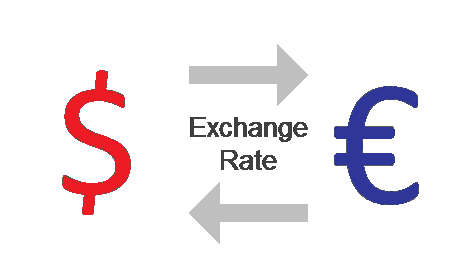
Every country has a currency different from others. There is no common medium of exchange. It is this feature that distinguishes international trade from domestic. Suppose the imports and exports of a country are equal, the demand for foreign currency and its supply conversely, the supply of home currency and the demand for it will be equal. The exchange will be at par. If the supply of foreign money is greater than the demand it will fall below par and the home currency will appreciate. On the other hand, when the home currency is in great supply, there will be more demand for the foreign currency. This will appreciate in value and rise above par. Economists have propounded the following theories in connection with determination of rate of exchange (Theories of Foreign Exchange). 1. Mint Par Theory Mint par indicates the parity of mints or coins. It means that Continue reading